Uneven tone & pigmentation
Dark marks and uneven colour can have different causes. Start with the explanation, not the peel or device.
Explore this concern Search
What they do. How they work. What to consider.
Get to know your options, on your terms.

Understand the concern before choosing a procedure.
Dark marks and uneven colour can have different causes. Start with the explanation, not the peel or device.
Explore this concernA surface mark and a structural scar are different. Understand the pattern before comparing treatments.
Explore this concernExpression, skin surface and lost support can contribute differently. They do not all call for the same approach.
Explore this concernAdding volume and improving surface comfort or skin quality are different goals, especially around the lips.
Explore this concernSkin quality, loose tissue and facial support are related but different. Compare the size of change you can reasonably expect.
Explore this concernFat, loose skin, muscle definition and cellulite are different targets. Body contouring is not a weight-loss treatment.
Explore this concernStart with a category.
Understand the possibilities and the trade-offs.
 01Chemical peelsControlled renewal for texture, tone and selected skin concerns.Acid peels · chemical exfoliation · TCA · MCASURFACE RENEWAL83%“Worth It”
 02MicroneedlingA healing response that can gradually improve skin texture.Skin needling · collagen induction therapyTEXTURE & SCARS86%“Worth It”
 03Laser & IPLLight-based options for pigmentation, redness and resurfacing.Photofacial · laser resurfacing · CO₂ · Er:YAG · Nd:YAG · alexandrite · diodeLIGHT-BASED TREATMENTS90%“Worth It”
 04Wrinkle relaxersTemporary softening of lines related to facial expression.Anti-wrinkle injections · neuromodulators · Botox · Dysport · XeominMUSCLE ACTIVITY97%“Worth It”
 05Dermal fillersInjectable options for volume, contour and selected folds.Dermal fillers · HA fillersVOLUME & CONTOUR90%“Worth It”
 06Skin boosters & revitalizersUnderstand skin-quality formulations and the differences between injection and cosmetic microneedling.Biorevitalization · remodelling · biostimulationSKIN-QUALITY TREATMENTS44%“Worth It”
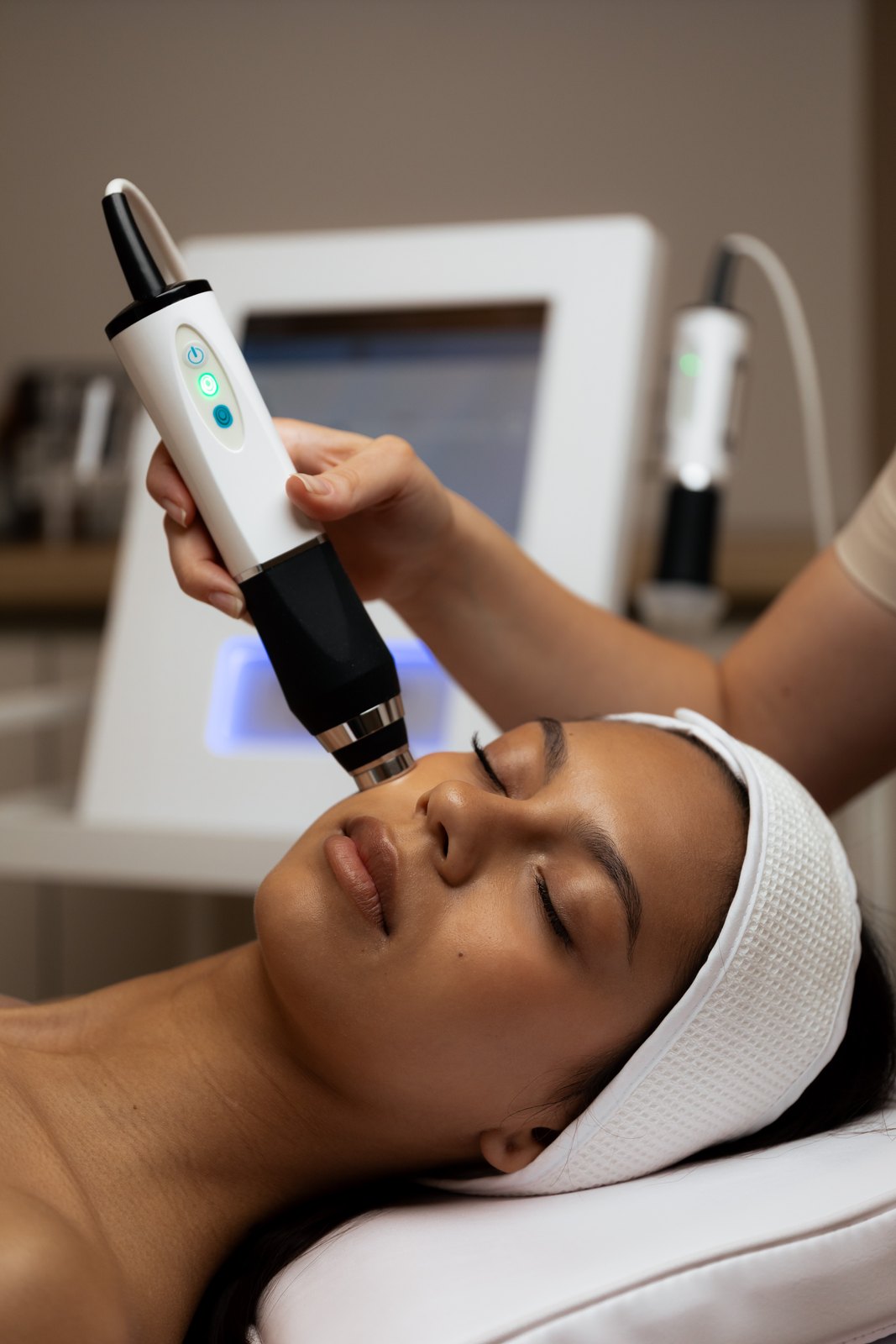 07Skin tighteningEnergy-based approaches for selected firmness concerns.RF tightening · ultrasound liftingRF & ULTRASOUND73%“Worth It”
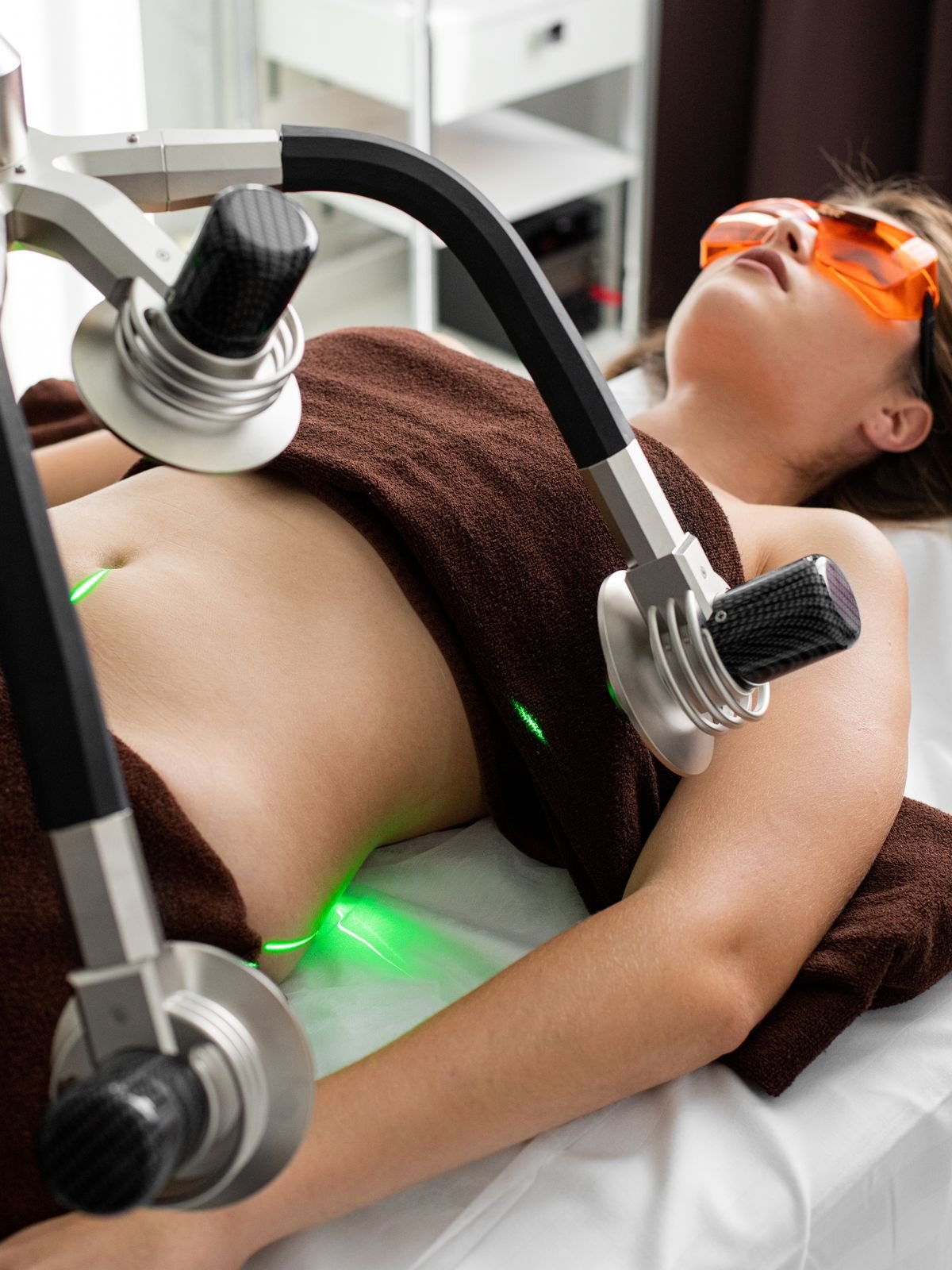 08Body contouringOptions aimed at localized shape, rather than weight loss.Body sculpting · fat freezing · lipolytic injectionsLOCALIZED CONTOUR56%“Worth It”
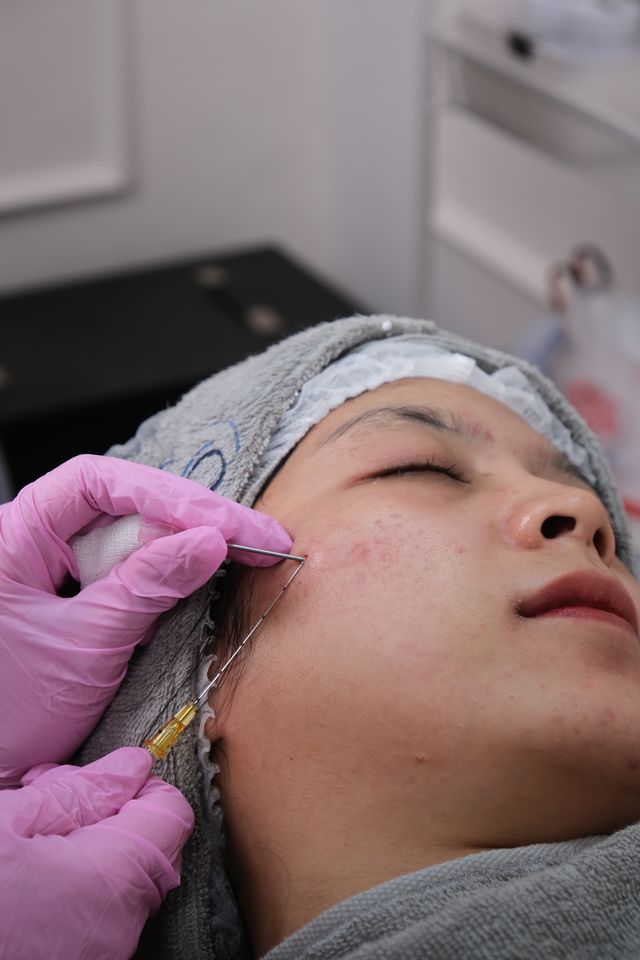 09Thread liftImplanted lifting sutures can temporarily reposition selected facial tissues.Thread lifting · suture lift · suspension threadsSUSPENSION THREADS76%“Worth It”
 10Aesthetic surgeryStructural changes with a different recovery commitment.Cosmetic surgery · aesthetic plastic surgerySURGICAL PROCEDURES92%“Worth It”
A starting point for a conversation with a qualified clinician. Suitability and recovery depend on your skin, health and the exact treatment.
Scores show patient-rated value, not clinical success. Some cover only one product or device; they are not ratings for the whole category. Open a guide for sources and context.
The questions behind the trends.
Clear answers, practical context and sources.
Each article shows its update date. These guides explain the questions behind trends without ranking procedures or predicting results.
You can take your time, ask for a second opinion or decide that treatment is not for you.
Read the consultation guide (NHS)Select the questions you want to discuss. Open your reminder to show your specialist.
Choose the questions that apply to your consultation. Injectable, peel and device checks are different.
Discuss these with the practitioner. Product details alone cannot confirm personal suitability.
5 of 5 questions selected
Open my reminderA professionally applied solution exfoliates skin at a chosen depth. Different peels have different purposes and recovery needs.
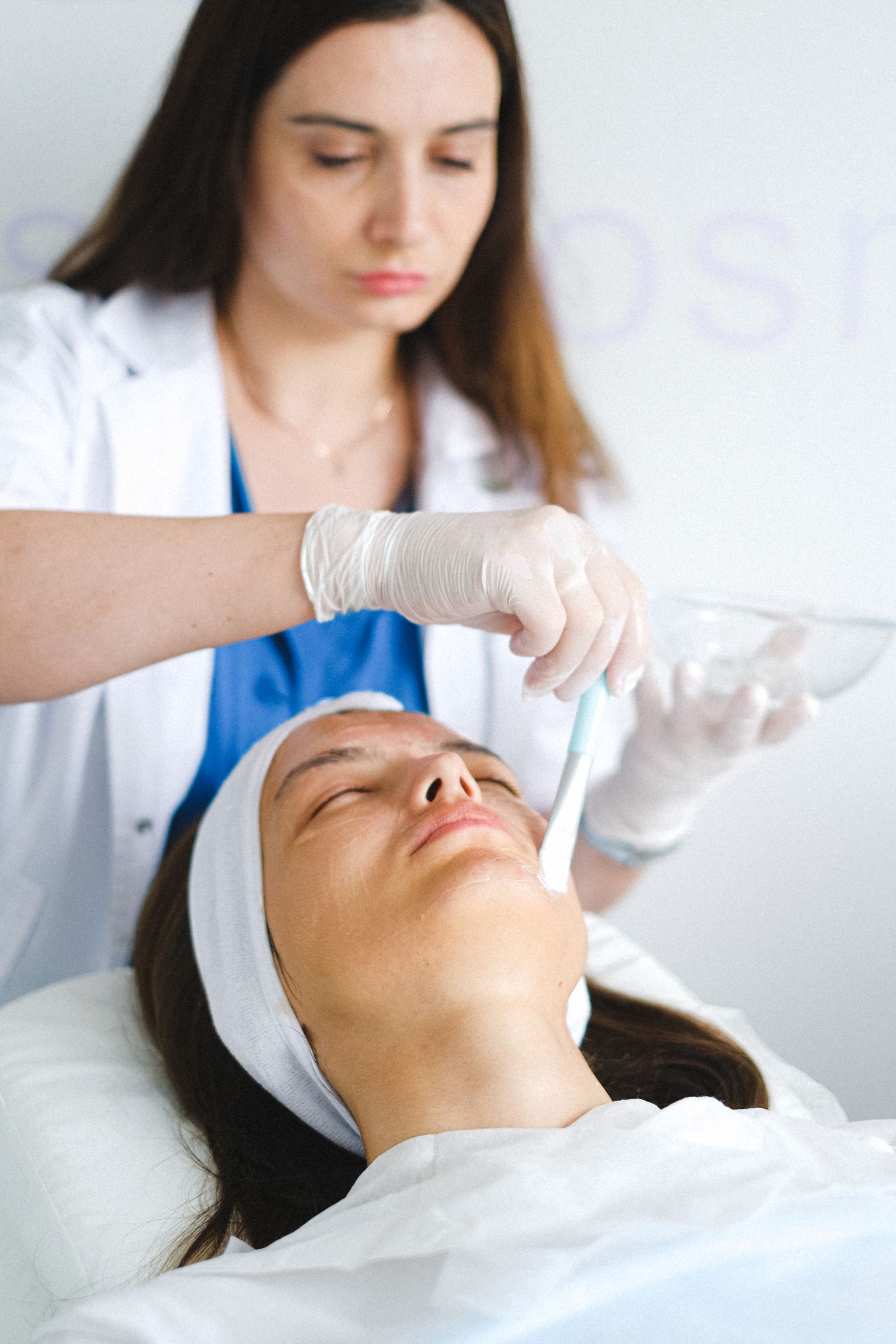
A facial product being applied with a brush. The photograph does not identify the formulation, acid strength or treatment depth.
Names you may see for this category or its subtypes. Some describe a technique or a marketing concept rather than the same treatment.
A suitable peel can improve superficial discoloration and texture. Results may build over a course; it does not replace treatment for an underlying skin condition.
The formula, depth and your skin response matter. A light peel and a deep peel are very different procedures. Deep peels require a surgical setting.
Redness and flaking may occur. Pigment changes, infection and scarring are possible. Follow the clinician’s recovery and sun-protection plan; do not pick peeling skin. Experience with your skin tone matters.
“What depth are you recommending and what recovery should I expect from this exact peel?”
Selected accounts describe smoother-looking skin and improved confidence alongside peeling, discomfort and dissatisfaction with recovery.
RealSelf groups different products, techniques and providers under this heading. The score cannot distinguish individual approaches. Self-selected reviews reflect perceived value. They do not measure clinical success or your chance of a complication.
How to read these reviewsRead the original sources
General education. Your clinician can assess your individual suitability. Rules depend on the treatment country; FDA references concern the United States. External sources may be in another language.
Fine needles create small punctures that trigger repair and collagen production. Professional microneedling is a medical procedure.
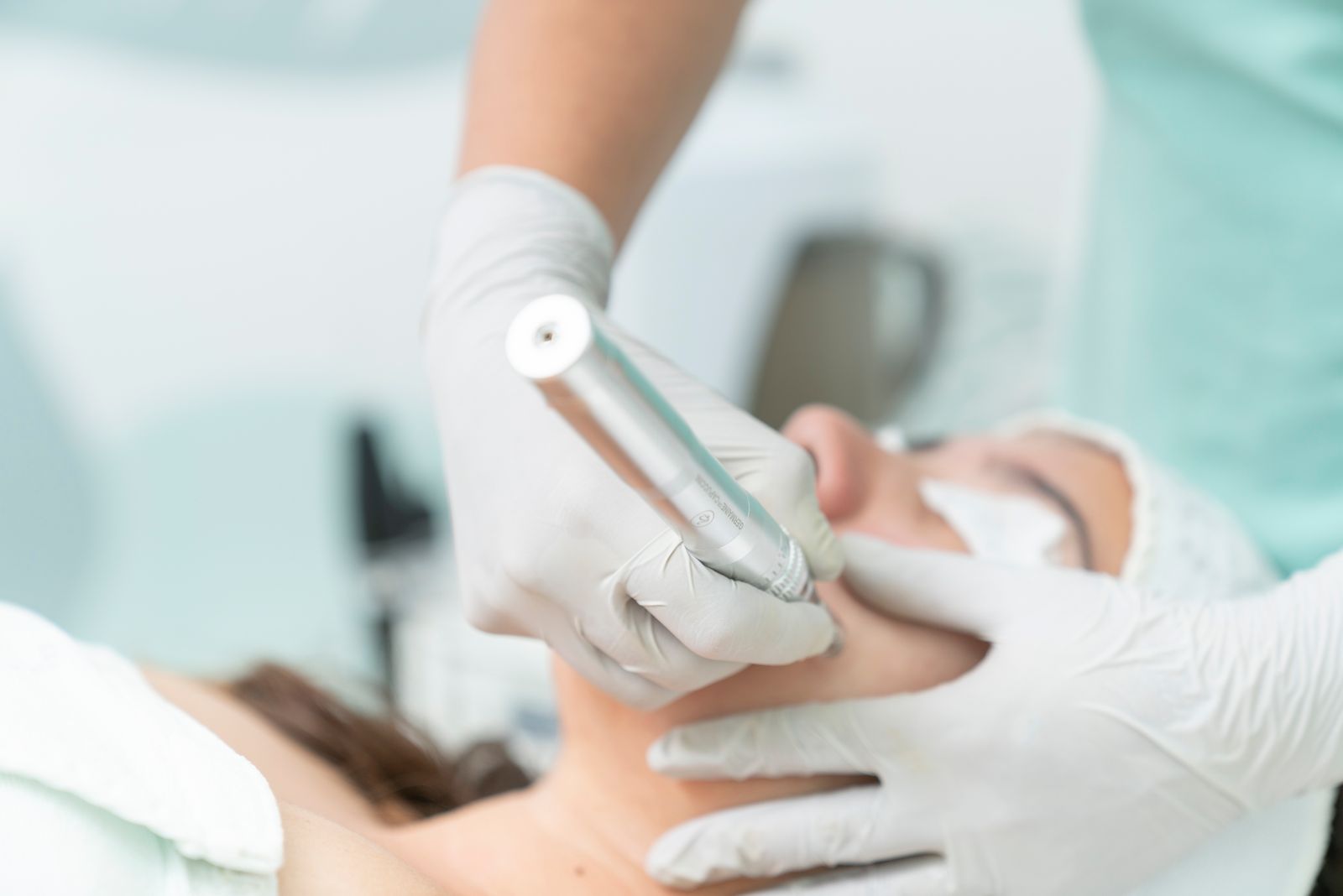
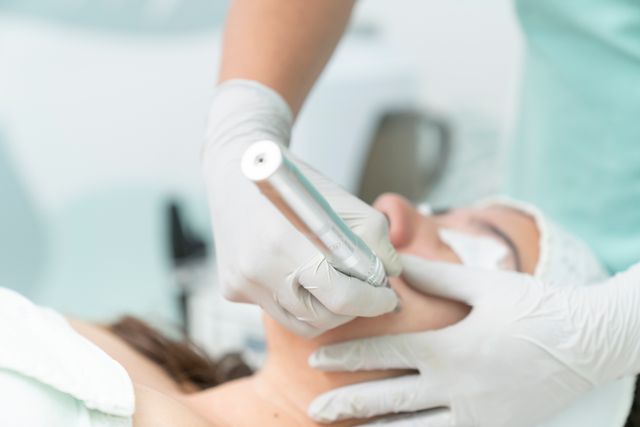
A pen-shaped device used on the cheek. The photograph does not establish the device model, needle depth or accompanying product.
Names you may see for this category or its subtypes. Some describe a technique or a marketing concept rather than the same treatment.
Improvements develop over weeks to months and a series may be needed. Results are gradual, rather than an immediate lifting effect.
Standard microneedling and RF microneedling are different: RF adds heat. Ask separately about any serum or other product used with the procedure. Check the intended use of both the device and product and the evidence for combining them. A product sold as a cosmetic is not an injectable.
Infection, scarring and persistent pigment changes can occur. Active infection, healing problems, or a tendency to keloid scars may affect suitability. Follow the provider’s instructions about skincare and makeup.
“Is this standard or RF microneedling and what evidence supports any added product?”
Accounts range from gradual improvements in texture or scars to little visible change. Repeat-session costs and recovery feature in the discussion.
RealSelf groups different products, techniques and providers under this heading. The score cannot distinguish individual approaches. Self-selected reviews reflect perceived value. They do not measure clinical success or your chance of a complication.
How to read these reviewsRead the original sources
General education. Your clinician can assess your individual suitability. Rules depend on the treatment country; FDA references concern the United States. External sources may be in another language.
This is a family of technologies, not one treatment. Different devices target different structures in the skin.
A light-based facial procedure with eye protection. The device type, wavelength and settings cannot be identified from the photograph.
Names you may see for this category or its subtypes. Some describe a technique or a marketing concept rather than the same treatment.
IPL uses broad-spectrum light. Lasers use selected wavelengths. Ablative resurfacing removes surface tissue; non-ablative approaches heat targeted tissue without removing the surface in the same way.
Skin tone, the cause of discoloration, recent tanning and the chosen settings influence suitability. A pigmentation concern should be assessed before treatment.
Burns, color changes, infection and scarring are possible. More intensive resurfacing can involve wound care and prolonged redness. Ask about protective eyewear and a specific recovery plan.
“What is the exact device and why is it a good match for my skin tone and diagnosis?”
Selected accounts describe visible improvements alongside swelling and a longer recovery than expected. Laser type matters when comparing stories.
This snapshot covers only the specific procedure, product or device on the linked review page. It does not rate this whole category. Self-selected reviews reflect perceived value. They do not measure clinical success or your chance of a complication.
Read the original sources
General education. Your clinician can assess your individual suitability. Rules depend on the treatment country; FDA references concern the United States. External sources may be in another language.
Botulinum toxin injections reduce activity in selected muscles.
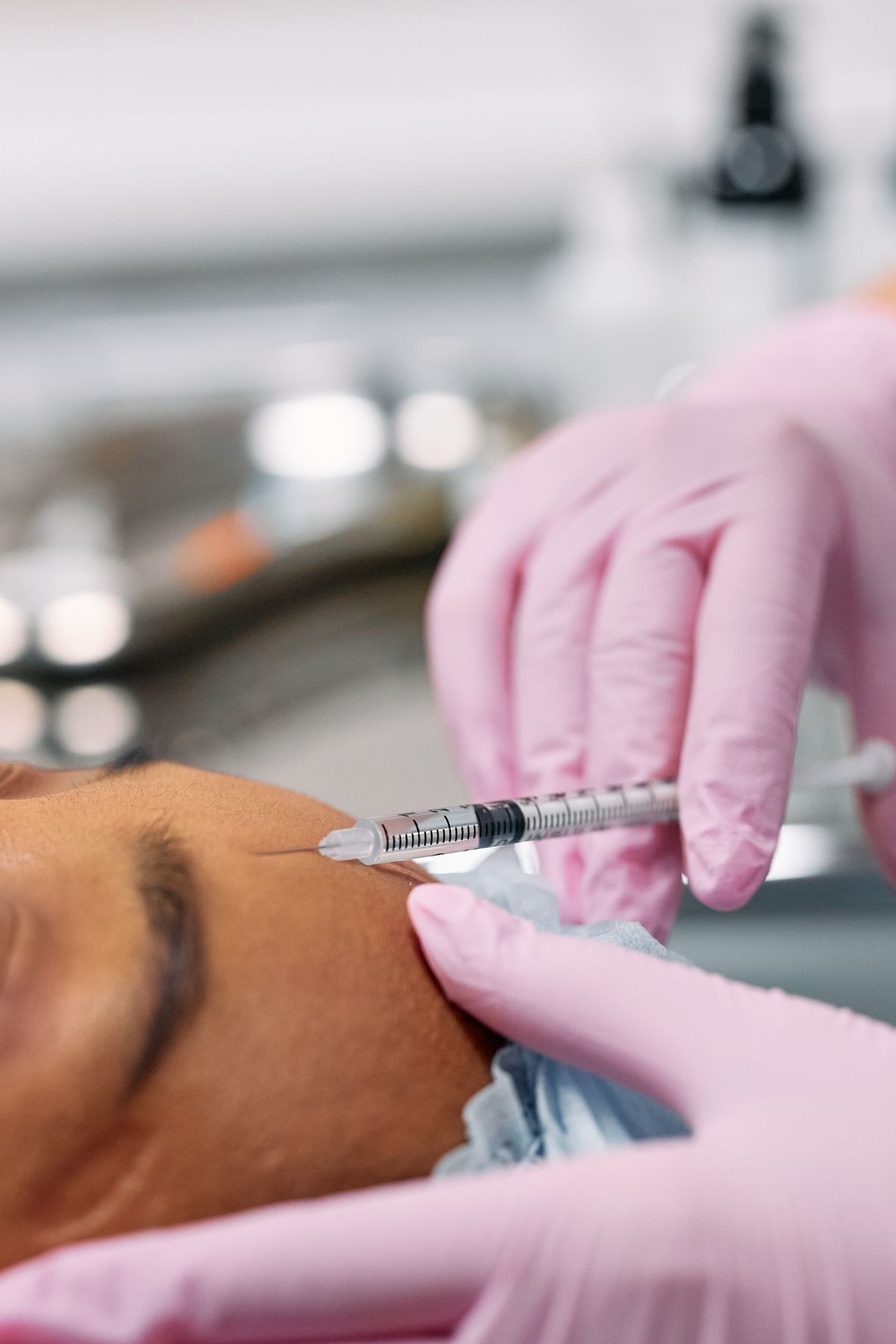
Stock procedure photograph: a forehead injection. The image cannot identify the substance in the syringe and shows no promised result.
Names you may see for this category or its subtypes. Some describe a technique or a marketing concept rather than the same treatment.
Treatment can soften expression-related lines. It does not add volume or treat every cause of a wrinkle. The result depends on the anatomy, dose and injection placement.
Bruising, headache, asymmetry and temporary eyelid or brow drooping can occur. Rare serious effects can involve swallowing or breathing; these symptoms require urgent medical attention.
Check the prescriber and injector’s qualifications and the exact licensed product. Discuss medical conditions, medicines, pregnancy or breastfeeding and the follow-up plan with the clinician.
“How will the treatment affect my expressions and what will happen at follow-up?”
People describe softer lines and results they like. Other accounts raise concerns about unwanted changes in expression or placement.
This snapshot covers only the specific procedure, product or device on the linked review page. It does not rate this whole category. Self-selected reviews reflect perceived value. They do not measure clinical success or your chance of a complication.
Read the original sources
General education. Your clinician can assess your individual suitability. Rules depend on the treatment country; FDA references concern the United States. External sources may be in another language.
Dermal fillers add volume or support. Many contain cross-linked hyaluronic acid (HA), while others use different materials. Choose by the intended result and exact product.
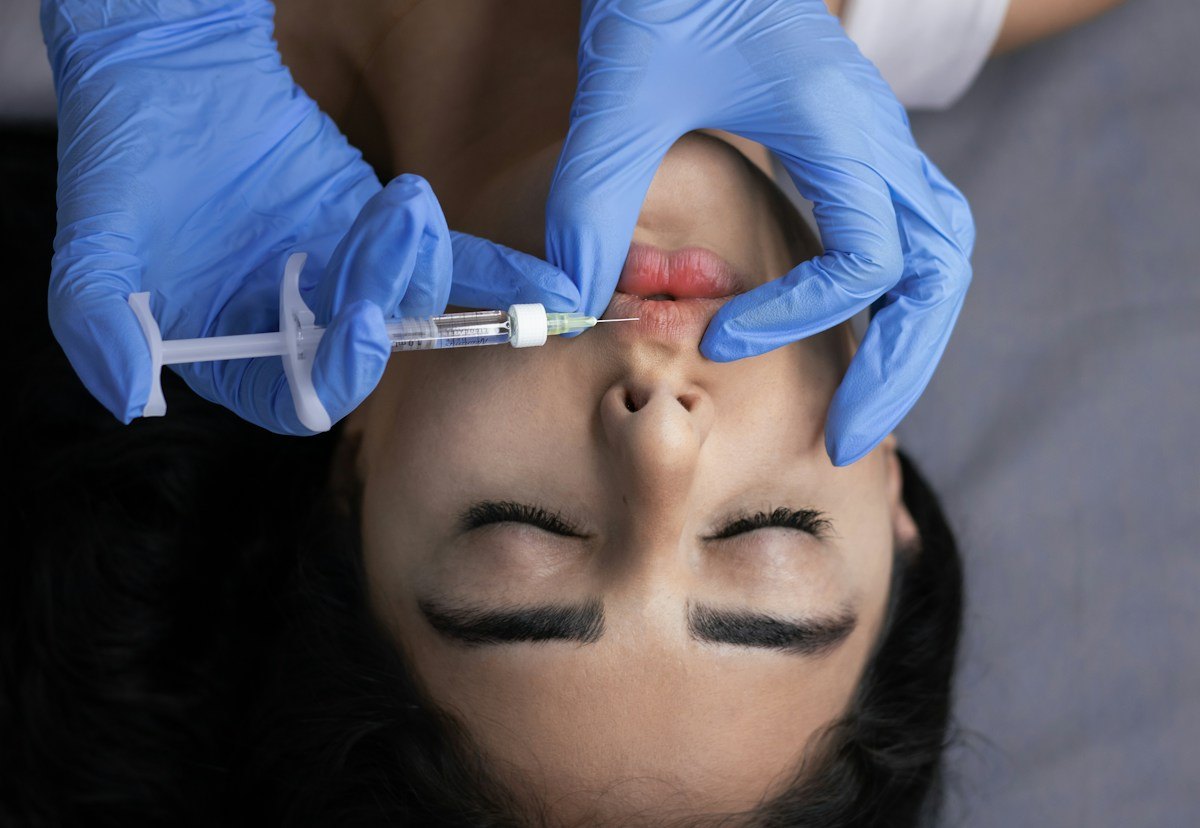
Lip injection shown as an example of a filler procedure. The photograph does not identify the product or show a treatment result.
Names you may see for this category or its subtypes. Some describe a technique or a marketing concept rather than the same treatment.
Cross-linking connects HA chains into a more persistent gel. Many HA fillers use it for shape and support. Non-cross-linked HA is often used in skin-quality treatments. This is not a strict dividing line: some skin boosters also use cross-linked HA. The product’s intended use and gel properties matter.
Hyaluronic acid, calcium hydroxylapatite and poly-L-lactic acid have different properties. Some products stimulate collagen. Ask about the evidence and authorized use of the specific product and treatment area.
Lumps, infection and delayed reactions can occur. Accidental injection into a blood vessel can cause tissue death, blindness, or stroke. These rare complications require an experienced clinician and an emergency plan.
Some hyaluronic acid fillers can be dissolved, but removal has risks and may not reverse a complication. Not all fillers can be dissolved.
“What exactly are you injecting and how do you recognize and manage a blocked blood vessel?”
Accounts include subtle improvements and satisfaction with facial balance as well as asymmetry, unwanted fullness and difficult correction journeys.
RealSelf groups different products, techniques and providers under this heading. The score cannot distinguish individual approaches. Self-selected reviews reflect perceived value. They do not measure clinical success or your chance of a complication.
How to read these reviewsRead the original sources
General education. Your clinician can assess your individual suitability. Rules depend on the treatment country; FDA references concern the United States. External sources may be in another language.
These treatments aim at hydration, smoothness or other aspects of skin quality. Many use injections; some clinics also use booster or revitalizer for topical products paired with cosmetic microneedling. Those routes are different. The name does not define a single ingredient, approved category or interchangeable protocol.
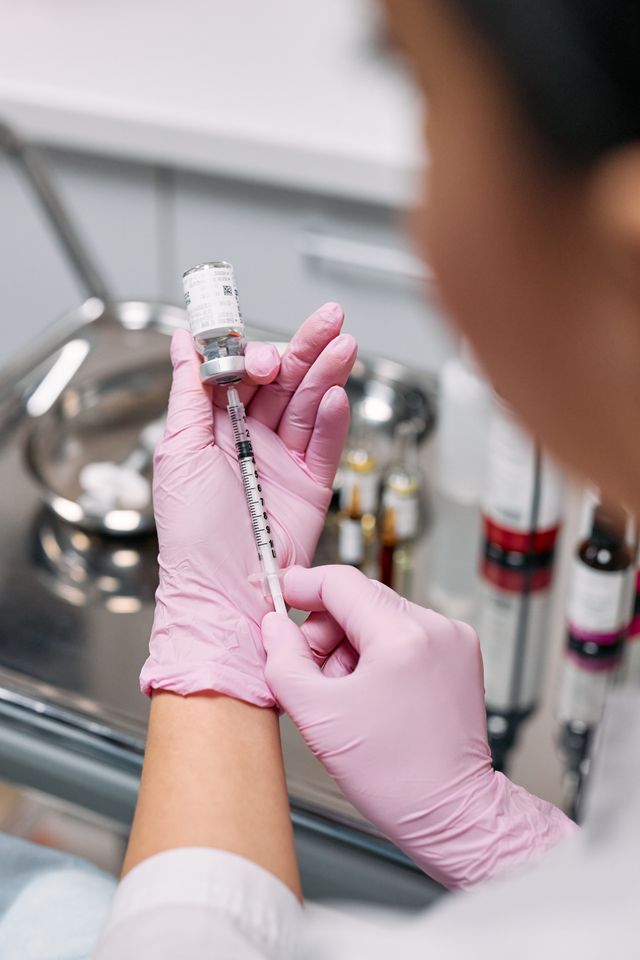
Syringe and vial preparation. The photograph does not identify the contents or establish their intended use as a skin booster.
Names you may see for this category or its subtypes. Some describe a technique or a marketing concept rather than the same treatment.
Non-cross-linked HA is a formulation type; “skin booster” is a treatment concept. Stabilized HA can use different technologies. Neither the name nor cross-linking alone tells you the expected result, durability or suitability.
HA, polynucleotides and collagen-stimulating materials should not be treated as interchangeable. Ask about the exact formulation, intended route and evidence for the claimed effect.
Injections can cause bruising, swelling, infection or nodules. Some injectable products can cause serious vascular complications. Collagen-stimulating materials cannot be assumed dissolvable like some HA fillers. A topical cosmetic is not an injectable.
A topical lip booster is not an injectable filler. Cosmetic microneedling and injection carry different risks and must be checked against the exact device, product instructions, treatment area and local rules. A study of an injected skin booster does not establish that the same ingredient works when applied during lip microneedling.
“Is the main goal hydration, collagen stimulation or added volume and what exact product supports that goal?”
The linked accounts describe subtle improvements in skin appearance as well as little change, puffiness and disappointment relative to cost.
This snapshot covers only the specific procedure, product or device on the linked review page. It does not rate this whole category. Self-selected reviews reflect perceived value. They do not measure clinical success or your chance of a complication.
Read the original sources
General education. Your clinician can assess your individual suitability. Rules depend on the treatment country; FDA references concern the United States. External sources may be in another language.
Some devices use radiofrequency or ultrasound to heat tissue at selected depths. Effects depend on the device and indication.
A handheld facial treatment device. Its technology, treatment depth and settings are not identifiable from the photograph.
Names you may see for this category or its subtypes. Some describe a technique or a marketing concept rather than the same treatment.
Ask what degree of change is supported for your situation and how it compares with surgical options.
The U.S. FDA has reported serious complications with certain uses, including burns, scarring, fat loss and nerve injury. This is a U.S. safety alert, not a statement of European authorization. RF microneedling combines needles with heat; it is not the same as standard microneedling.
Ask for the exact device, intended treatment area, practitioner’s experience and plan to manage complications.
“What improvement is realistic and how do you protect the tissues that should not be treated?”
The linked accounts range from a subtle lift to little benefit or unwanted changes. Discomfort, cost and waiting for results feature in the discussion.
This snapshot covers only the specific procedure, product or device on the linked review page. It does not rate this whole category. Self-selected reviews reflect perceived value. They do not measure clinical success or your chance of a complication.
Read the original sources
General education. Your clinician can assess your individual suitability. Rules depend on the treatment country; FDA references concern the United States. External sources may be in another language.
Body contouring covers selected devices, injectable fat-reduction treatments and surgery. They differ in mechanism, evidence and recovery. Local contouring is not a treatment for obesity.
External light-based body-contouring equipment. This example differs from fat freezing, injectable lipolytics and surgical liposuction.
Names you may see for this category or its subtypes. Some describe a technique or a marketing concept rather than the same treatment.
Results may be temporary and differ by device. Ask how noticeable the expected change is.
Pain, bruising, burns, or nerve effects can occur. Fat freezing can rarely cause fat to enlarge instead of shrink; this may require surgery.
Deoxycholic acid disrupts fat cells. In the United States, the approved use is selected submental fat beneath the chin in adults; use elsewhere is unapproved and not recommended by the FDA. Risks include nerve injury, difficulty swallowing and local tissue injury. Ask whether the exact product, route and proposed area are authorised in the treatment country.
“What change can I realistically expect and who pays if a complication needs treatment?”
The linked accounts include reduced bulges as well as limited change, pain, numbness and dissatisfaction with the resulting contour.
This snapshot covers only the specific procedure, product or device on the linked review page. It does not rate this whole category. Self-selected reviews reflect perceived value. They do not measure clinical success or your chance of a complication.
Read the original sources
General education. Your clinician can assess your individual suitability. Rules depend on the treatment country; FDA references concern the United States. External sources may be in another language.
A thread lift places physical sutures beneath the skin to support and reposition selected tissues. The result depends on anatomy, thread design and technique. It is a minimally invasive implanted-device procedure with its own recovery and risks.
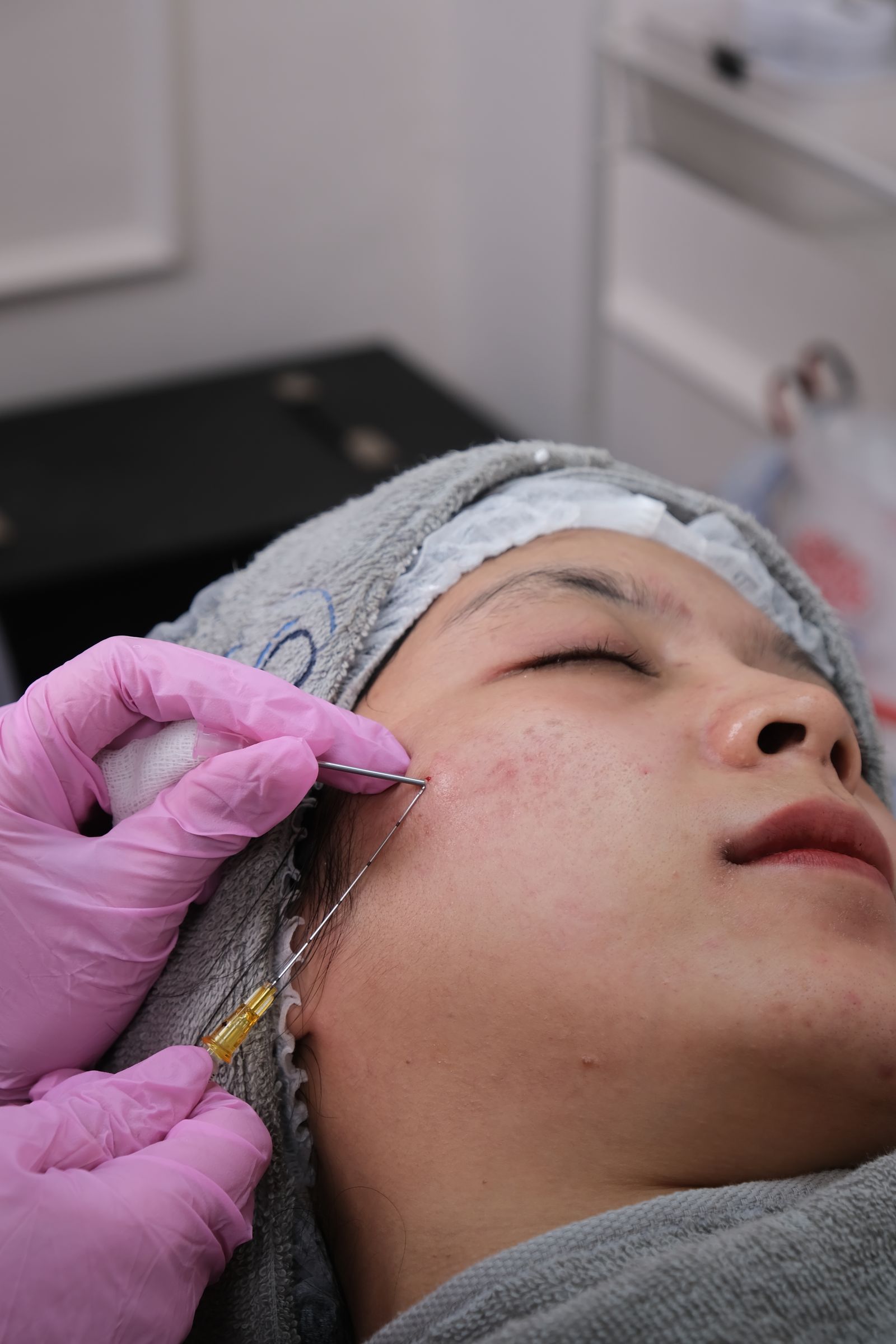
A clinic facial-procedure photograph. It illustrates the setting without verifying the exact technique, device or thread material.
Names you may see for this category or its subtypes. Some describe a technique or a marketing concept rather than the same treatment.
Lifting threads can engage tissue through barbs or cones. The visible change is generally limited and temporary. Threads do not remove excess skin or reproduce the deeper repositioning of a surgical facelift. Discuss whether your main concern is laxity, volume loss or texture and which alternatives address it.
Early bruising, swelling, discomfort or puckering can affect appearance. A same-day photograph is not the settled result. Ask for individualized activity restrictions, written aftercare and follow-up. A marketing name such as lunchtime lift does not establish that you can immediately return to every activity.
Persistent pain, infection, thread extrusion, visible or palpable threads, contour irregularity and an unsatisfactory or asymmetric result are possible. Nerve injury has been reported. Some problems need treatment or removal. Ask who will manage complications and how an unwanted result would be assessed; waiting for absorption is not a complete plan.
“What can this exact thread device realistically change for me and how would a complication or a result I dislike be managed?”
Selected accounts describe subtle contour improvement and satisfaction alongside short-lived change, limited lift, pain, puckering or visible threads.
RealSelf groups different products, techniques and providers under this heading. The score cannot distinguish individual approaches. Self-selected reviews reflect perceived value. They do not measure clinical success or your chance of a complication.
How to read these reviewsRead the original sources
General education. Your clinician can assess your individual suitability. Rules depend on the treatment country; FDA references concern the United States. External sources may be in another language.
Procedures such as eyelid surgery, facelifts and body surgery address different anatomical concerns. Each needs its own assessment.
A plastic-surgery operating room. The photograph illustrates a surgical setting without identifying a particular operation or result. Resized for display.
Names you may see for this category or its subtypes. Some describe a technique or a marketing concept rather than the same treatment.
Discuss the proposed operation, alternatives, anesthesia, scars, time away from normal activities and who will provide aftercare. Request a written cost breakdown.
For example, facelift risks include bleeding, infection, anesthesia complications, nerve injury, poor healing and unfavorable scarring. Ask which risks apply to your operation and medical history.
Verify specialist qualifications with the relevant local regulator, the facility’s credentials and arrangements for complications. Allow yourself time to decide without pressure.
“What are the likely benefits, limitations and recovery stages for the exact operation you recommend?”
Facelift accounts include renewed confidence and natural-looking results as well as difficult recovery, complications and revision surgery.
This snapshot covers only the specific procedure, product or device on the linked review page. It does not rate this whole category. Self-selected reviews reflect perceived value. They do not measure clinical success or your chance of a complication.
How to read these reviewsRead the original sources
General education. Your clinician can assess your individual suitability. Rules depend on the treatment country; FDA references concern the United States. External sources may be in another language.
“Skin quality” is a way of talking about several features of skin, rather than the name of one procedure.
Texture, uneven tone, fine lines and loss of firmness may require different approaches. An attractive umbrella term does not tell you which treatment you need.
ASPS has described growing consumer interest in resurfacing and skin quality, alongside confusion about the many available technologies. Peels, light-based procedures and microneedling have different roles.
Turn a broad goal such as “better skin” into something observable: which feature do you want to change, how will improvement be assessed and what recovery is acceptable to you?
“Which specific aspect of my skin are we treating and how will we judge whether it worked?”
Read the original sources
General education. Your clinician can assess your individual suitability. Rules depend on the treatment country; FDA references concern the United States. External sources may be in another language.
Polynucleotides (PN) are DNA-derived materials being studied for skin rejuvenation. A product category is not a guarantee of a result.
A randomized study treated 27 participants around the eyes, comparing a PN injectable on one side with a non-crosslinked hyaluronic acid product on the other. Some measured skin properties favored PN; overall aesthetic improvement scores did not differ significantly.
This supports further interest in that specific injectable and protocol. A small study cannot establish every product’s effectiveness or detect every rare risk. These results do not automatically apply to PDRN serums, different formulations, or other application methods.
Ask for human data on the actual product and intended use, alongside its local regulatory status. A biological explanation alone does not establish a clinical benefit.
“Do the studies involve this exact formulation, treatment area and application method?”
Read the original sources
General education. Your clinician can assess your individual suitability. Rules depend on the treatment country; FDA references concern the United States. External sources may be in another language.
“Exosome” is appearing in treatment menus, but the name alone tells you little about what a product contains or what it can do.
The word “exosome” does not establish a product’s regulatory status. Ask how the exact formulation, intended purpose and application route are regulated in the country where you will be treated. A product sold as a cosmetic is not authorized for injection.
A product intended for application to the skin should not be assumed suitable for injection or use with microneedling. Evidence and instructions must support the proposed combination. The FDA has also published a U.S. safety notification about unapproved exosome products; that notice does not determine their status in Europe.
Ask about the exact formulation, manufacturing controls, human clinical evidence, intended route and local regulatory status. Claims about cell communication or regeneration do not establish a finished product’s clinical benefit.
“What evidence supports this exact product and is it authorized for the way you intend to use it?”
Read the original sources
General education. Your clinician can assess your individual suitability. Rules depend on the treatment country; FDA references concern the United States. External sources may be in another language.
A result that looks different from what you expected deserves assessment. A social-media photo cannot establish whether filler has moved.
Swelling, nodules and filler moving away from its intended location are different possibilities. Ask a clinician to identify the cause before deciding on a correction.
Hyaluronidase can break down hyaluronic acid filler. It does not dissolve every filler material. Non-HA or permanent fillers may be difficult to remove and may require other interventions.
Dissolving has its own risks, including allergic reactions. The response and number of treatments vary; returning to an exact previous appearance is not guaranteed. Discuss the product, reason for removal and alternatives.
Unusual pain, vision changes or white, grey or blue skin during or after filler injection need immediate medical attention. Do not wait for online reassurance.
“What is causing the change and what are the benefits and risks of correcting it?”
Read the original sources
General education. Your clinician can assess your individual suitability. Rules depend on the treatment country; FDA references concern the United States. External sources may be in another language.
RF microneedling combines needles with heat delivered into tissue. That makes the exact device and treatment settings central to the discussion.
No. Conventional microneedling creates small punctures. RF microneedling adds radiofrequency energy. Stories about one technique should not automatically be applied to the other.
In a safety communication, the U.S. FDA reported burns, scarring, fat loss, disfigurement and nerve damage associated with certain uses. These reports establish a concern but do not give an individual probability of harm.
Ask which device and depths are proposed, what tissue is being targeted, how recovery may vary and how complications are managed. Seek a qualified clinician with device-specific experience. RF microneedling should not be performed at home.
“Why is this device appropriate for my skin and how will you protect tissue that we do not want to treat?”
Read the original sources
General education. Your clinician can assess your individual suitability. Rules depend on the treatment country; FDA references concern the United States. External sources may be in another language.
“Ozempic face” is a popular phrase for facial changes after substantial or rapid weight loss. It is not a medical diagnosis or a change unique to one medicine.
Reduced facial fat can make hollows or loose skin more noticeable. Similar changes can follow weight loss through medication, surgery or lifestyle changes. The experience varies.
First separate loss of volume from skin laxity and surface texture. A clinician may discuss observation, skincare, fillers, fat transfer or surgery according to the concern. Each has different limitations and risks; no treatment is obligatory.
Discuss your health, nutrition and weight trajectory with your treating clinician before planning a procedure. Ask how further weight change could affect a result. Changes to prescribed medication belong with the prescriber.
“Is my concern mainly lost volume, loose skin or texture and how does my weight plan affect the options?”
Read the original sources
General education. Your clinician can assess your individual suitability. Rules depend on the treatment country; FDA references concern the United States. External sources may be in another language.
The skin and gut host different microbial communities. Researchers are studying how microbes, immune signals and metabolism may connect intestinal conditions with skin health.
Laboratory and small human studies explore plausible pathways between the gut and skin. They do not mean that every skin concern begins in the gut or that one microbiome test can select an aesthetic procedure. A mechanism needs to be connected to a measurable patient benefit.
A 12-week randomized trial in 110 adults with dry skin and wrinkles tested one specific oral probiotic strain. It reported improvements in selected hydration and appearance measures. This is evidence about that strain, dose and population, rather than every probiotic or a universal skin-rejuvenation routine.
A claim linking GLP-1 medication, skin lipids and the microbiome needs its own human evidence. Do not use a probiotic trial to explain facial changes after weight loss. Bring persistent skin or digestive symptoms to your treating clinician and ask what a proposed test would change in your care.
“Which human study supports this exact microbiome intervention and how would its result change my care?”
Read the original sources
General education. Your clinician can assess your individual suitability. Rules depend on the treatment country; FDA references concern the United States. External sources may be in another language.
Skincare marketed as medical-grade can include very different products. The label alone does not tell you whether you are choosing a cosmetic, a prescription medicine or a formula tested for a particular outcome.
Retinol and prescription retinoids belong to the vitamin A family, but they are different formulations. Dermatologists use selected retinoids for acne, pigmentation or fine lines. A clinician can explain the intended benefit and whether your skin, other treatments or pregnancy plans affect suitability.
Encapsulation, an antioxidant blend or a named delivery system may explain formulation choices. Ask whether a human study tested the finished product, which outcome it measured and against what comparison. An ingredient experiment does not automatically prove that the marketed cream works better. In the United States, the FDA distinguishes cosmetics and drugs; it does not recognize cosmeceutical as a legal category.
Retinoids can irritate skin and that irritation can contribute to pigment changes. Sun protection and a suitable moisturizer remain practical foundations. Coordinate stronger actives with your clinician around procedures, rather than assuming that more products or a higher price will improve recovery.
“What evidence supports this finished formula for my concern and how should it fit around my treatments?”
Read the original sources
General education. Your clinician can assess your individual suitability. Rules depend on the treatment country; FDA references concern the United States. External sources may be in another language.
Prejuvenation describes an interest in acting before visible ageing becomes prominent. It is a broad idea, not a single procedure or an age at which everyone should begin treatment.
Daily sun protection has randomized evidence for slowing photoaging. Optional procedures should respond to an individual concern and realistic goals. Being in your twenties or following a trend is not, by itself, a clinical indication. Waiting or having no procedure should remain part of the discussion.
Baby toxin, sprinkles and quiet-luxury tweakments describe an aesthetic approach rather than a standardized medicine or protocol. Botulinum toxin outcomes depend on the exact formulation, anatomy, dose and placement. Smaller doses do not guarantee preserved expression, remove injection risks or establish a lifelong preventive effect.
Explain which expressions you want to retain and which change you hope to see. Ask how the clinician will assess the settled result, whether maintenance is necessary and what would justify stopping. An understated goal can support a measured consultation; it should not make the procedure or its uncertainties disappear from view.
“What current concern are we treating and what evidence supports starting now rather than waiting?”
Read the original sources
General education. Your clinician can assess your individual suitability. Rules depend on the treatment country; FDA references concern the United States. External sources may be in another language.
Platelet-rich plasma (PRP) and platelet-rich fibrin (PRF) are prepared from a person’s own blood. Platelets and associated proteins are studied for tissue-repair applications, but a natural source does not guarantee a cosmetic result.
PRP and PRF are different preparations, with protocols that can change their composition. Ask which material is proposed, how it will be applied and which patient outcome it is meant to improve. Evidence from injections, fat grafting or wound care cannot be transferred automatically to a different procedure.
In a randomized facial PRP trial, 27 people enrolled and 19 were analysed. Participants reported improvements in texture and wrinkles, while blinded dermatologist photograph ratings did not show significant differences from saline. That distinction helps explain why satisfaction and measured effectiveness need separate discussion.
Autologous means the material comes from you; it does not eliminate contamination or procedure risks. Ask about sterile collection, correct identification and handling, the route of use and follow-up. In the United States, FDA-authorized microneedling devices are not approved to deliver blood products into skin; local product and procedure rules need their own check.
“Does the evidence test this exact blood preparation and route and which outcome should realistically improve?”
Read the original sources
General education. Your clinician can assess your individual suitability. Rules depend on the treatment country; FDA references concern the United States. External sources may be in another language.
Poly-L-lactic acid (PLLA) and calcium hydroxylapatite (CaHA) are injectable materials discussed for correction and collagen-related effects. They differ from hyaluronic acid and from each other.
PLLA is a resorbable synthetic polymer whose visible correction develops gradually over weeks. CaHA consists of mineral particles in a gel carrier. Product preparation, placement and intended use affect what treatment aims to achieve. Immediate swelling should not be confused with the eventual result.
A U.S. FDA evaluation supports a specific PLLA product for cheek wrinkles; it does not validate every PLLA brand, injection site or dilution. Similarly, a general CaHA label does not explain a hyperdiluted protocol. Ask which human data match the preparation and area being proposed in your country.
These materials should not be presented as a universal replacement for HA or as a guarantee against unwanted fullness. Nodules, infection and vascular complications are relevant to injectable decisions. Reduction or removal may be difficult and they are not dissolved in the same way as HA. Ask how an unwanted result would be assessed and managed before treatment.
“Why does this material and preparation fit my goal and what are the options if the result is unwanted?”
Read the original sources
General education. Your clinician can assess your individual suitability. Rules depend on the treatment country; FDA references concern the United States. External sources may be in another language.
Treatment stacking means combining procedures such as an energy device, an injectable or resurfacing. The useful question is why each component is needed and how their effects interact.
Radiofrequency microneedling delivers RF energy through needle electrodes. Ultrasound-based tightening uses sound energy and does not become RF microneedling because both are discussed for firmness. Ask for the generic technology and exact device behind a treatment-menu name.
In a study of 14 volunteers, monopolar RF applied to abdominal sites immediately after HA filler affected filler integrity more often than later treatment. This small study does not establish one universal interval for every facial device and filler. It shows why timing, tissue depth and the exact combination deserve a specific explanation.
Ask what each step adds, whether it can be staged and how overlapping redness, swelling or wound care will be handled. A study of one combination does not establish that adding another material improves it. Agree on a review point, total cost and a named contact for unexpected symptoms.
“What evidence supports this exact combination and sequence and what is the advantage over staging the treatments?”
Read the original sources
General education. Your clinician can assess your individual suitability. Rules depend on the treatment country; FDA references concern the United States. External sources may be in another language.
Skin cameras and AI tools can analyse images or support an assessment. A displayed skin age, score or treatment plan should be explained alongside the system’s actual measurements and limitations.
A camera study in 19 people found useful repeatability for selected wrinkle scores. Individual estimated skin ages still differed from chronological age. A repeatable number does not itself establish a diagnosis, prove collagen depletion or identify the best treatment for a particular person.
A large primary study of AI-assisted skin-disease assessment examined performance across skin tones. It found that decision support could help clinicians while disparities remained. This was diagnostic research, not proof that an aesthetic scanner can personalize every treatment schedule. Device validation should match its claimed task and the people being assessed.
Ask what is measured directly and what is an estimate, whether lighting and positioning are standardized and how results would change your care. If biomarkers are proposed, ask which test and clinical decision they support. Discuss image storage and sharing. A clinician should connect the data to your history, examination and goals.
“What does this system measure directly and how has this use been validated for people with my skin tone?”
Read the original sources
General education. Your clinician can assess your individual suitability. Rules depend on the treatment country; FDA references concern the United States. External sources may be in another language.
Earlier intervention and regenerative recovery describe different decisions: whether surgery is appropriate now and whether an additional preparation has evidence for a specific recovery outcome.
A facelift or eyelid procedure should respond to the concern, anatomy, health and realistic expectations. There is no universal age at which lighter surgery becomes the right choice. A mini label still requires a clear explanation of the operation, anaesthesia, scars and recovery. Waiting or having no procedure remains an option.
A randomized study in 20 women undergoing temple fat grafting found shorter recovery with added PRF but no significant improvement in retained fat volume. That result does not establish benefits for every facelift, eyelid operation or infusion. Ask whether the study matches the operation, preparation and route being offered.
Exosomes should not be presented as a proven routine postoperative infusion. The U.S. FDA reports no approved exosome products and has issued a safety notice; status in another country must be checked separately. Discuss the evidence for any proposed adjunct, how it changes risks and cost and whether the surgeon’s standard recovery plan is sufficient.
“What supports having this operation now and what evidence shows the proposed recovery add-on improves this exact procedure?”
Read the original sources
General education. Your clinician can assess your individual suitability. Rules depend on the treatment country; FDA references concern the United States. External sources may be in another language.